Across age-old chronicles,
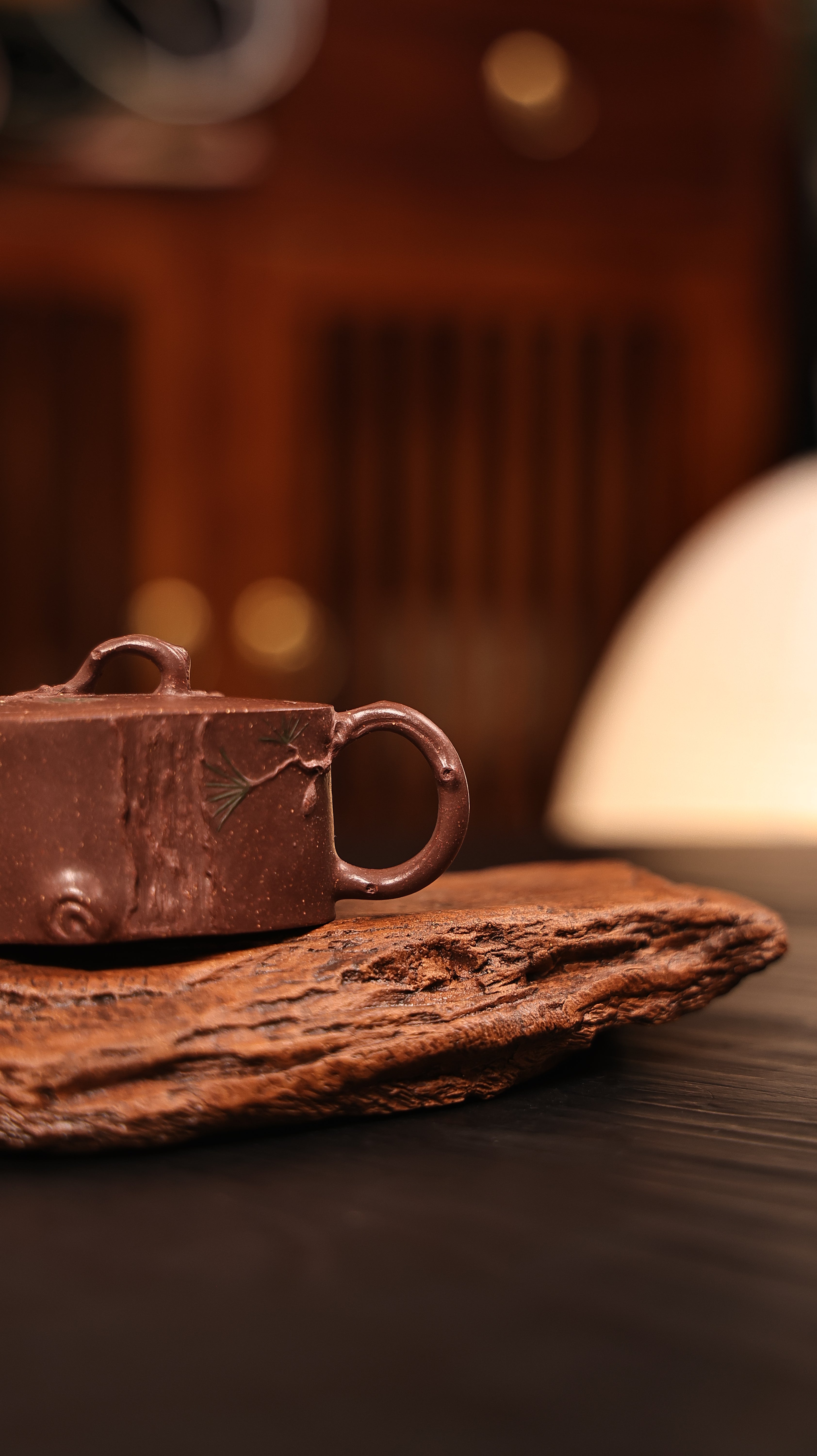
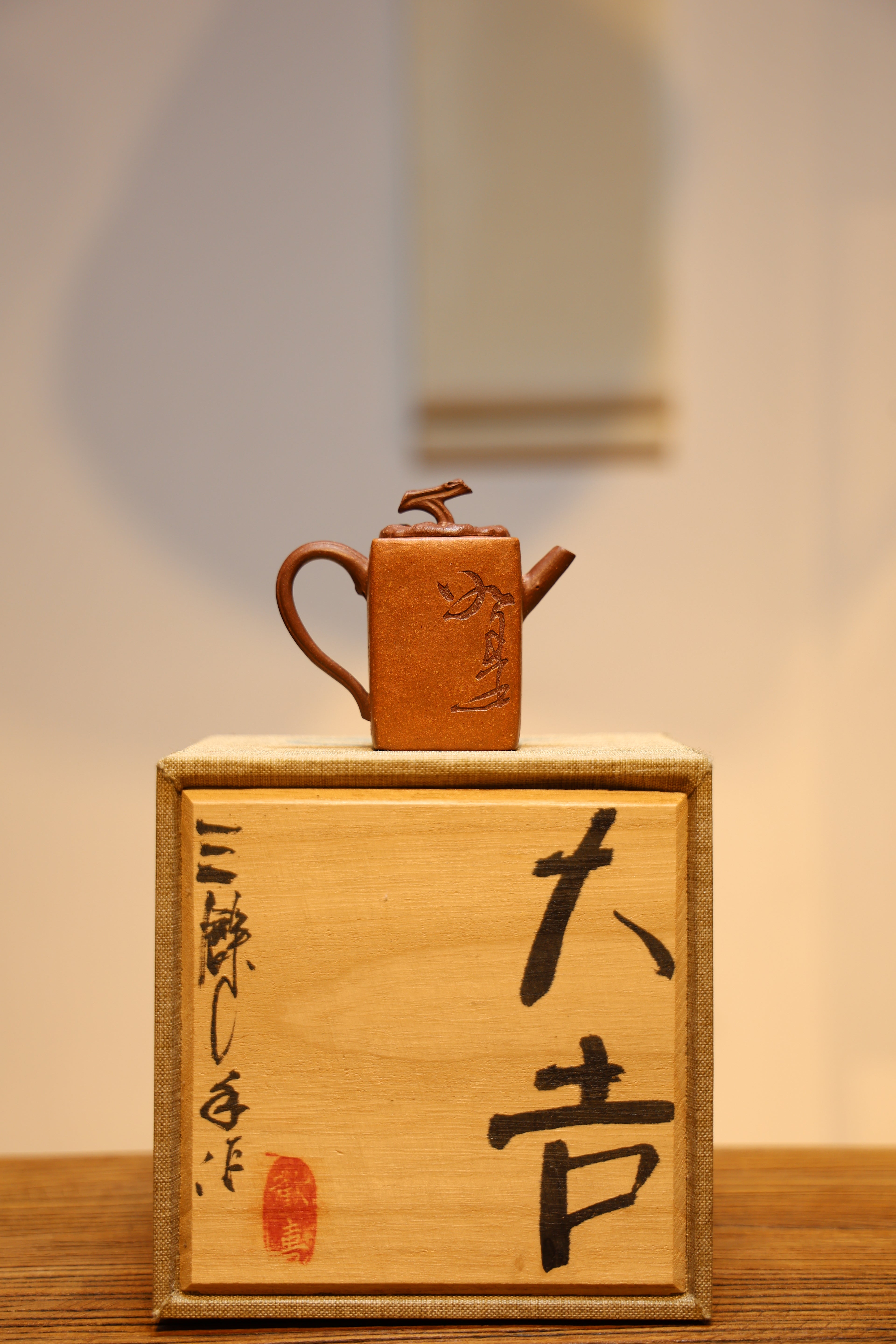
During millennia, aficionados have been enthralled by the uncommon charm of Yixing Zisha kettles. Originating from the territory of Yixing in the mainland, these pots are renowned for their remarkable beauty, limited clay, and innate ability to boost the essence of the concoction. The substratum's distinctive purple-red hue, combined with the skillful craftsmanship of local artisans, creates items that are and functional creations and prized holdings. Purchasing a Zisha teapot is more than just every purchase; it's adopting a rich legacy heritage.
Unraveling Yixing Teapots: Chronicles, Kinds, and Merit
The renowned Yixing teapots stand as a profound past deeply intertwined with Chinese culture. Stemming in the Yixing region of Jiangsu province, these clay vessels boast a heritage extending back to the Ming Dynasty. Initial examples were functional, but over centuries, Yixing teapot building evolved into an esteemed art form. The clay itself, known for its unique vitality and ability to raise the flavor of the tea, endures a defining factor. Yixing teapots arrive in various forms, broadly categorized by shape: Classic such as Zhuni (purple clay) and Bisheng, as well as custom designs. The esteem of a Yixing Chinese Teapot teapot rests on several factors, including the potter’s name, the age of the piece, the rarity of the clay, and its aesthetic quality.- Story: Prime eras
- Soil: Multiple varieties
- Appraisal Elements: Age
Mastering Zisha: Process and Makers
One crafting of a bona fide Zisha teapot is a complicated process, requiring generations of mastery. Seasoned artisans meticulously extract the purest Zisha clay, a exceptional earth found only in specific regions of China. Heritage-based techniques, often handed down through families, involve precise shaping, fine carving, and gradual firing in ancient incinerators. The ultimate teapot isn't merely a vessel; it's a testament to innovative vision and the profound connection between the artisan and their legacy. Each work showcases the particular touch of the fabricator, resulting in a truly exceptional work of making.
A Craftsmanship: Examining the Comprehensive Customs of the Yixing Territory
Renowned Yixing, established in Jiangsu the region, is broadly renowned for its exceptional clay pots – a tangible representation of centuries of Chinese tradition. These aren't merely vessels for brewing tea; they are intricate works of mastery, often reflecting traditional ideals. Yixing's unique purple clay, known as Zisha, possesses unique qualities: the matter dense, permeable, and imparts a subtle quality to the tea.
- Many lineages have honed the techniques of Yixing container making, passing down secret methods through lineages.
- Fans prize these pieces for their beauty and infrequency.
- Various piece tells a history, connecting the imbiber to a rich lineage.
Committing to Yixing Zisha: Critical Aspects
Considering exploring acquiring Yixing Zisha clayware, various criteria command careful attention. Initially, the soil's pigment is paramount; authentic Zisha traditionally exhibits a distinct reddish cast. Additionally, investigate the execution; meticulous traits and a clean veneer indicate skillful artistry. Lastly, investigate the potter's background; esteemed names bring increased premiums and often guarantee a stable return.
How to Brew Premium Tea with Zisha Clay
Creating appetizing tea with a Zisha jar is more beyond a simple technique; it's an mastery. Zisha clay, known for its unique geological composition, imparts a delicate character to the finished tea that’s often wanting with other implements. The right water temperature is key; typically, reduced than what's used for black tea, to save the tea's perfume and taste. Consider carefully the tea form; delicate green teas or aged pu-erhs improve from the Zisha’s ability to ease their intrinsic edge. It’s significant to condition the teapot preceding brewing, and to refrain from over-steeping. Mastering this approach leads to a undeniably exceptional tea instance.
- Learning Zisha Clay
- Thermal Condition of Water & Variety of Tea
- Essence of Tempering
Sustaining Your Renowned Clay Pot
Intending to sustain the existence of your precious Yixing earthenware, ongoing servicing is vitally required. Avoid using detergent; instead, tenderly clean it with pleasantly heated moisture. Steer clear of unexpected shifts; refrain set the urn directly onto a scorching surface. Periodically, enhance the teapot by soaking it with high-quality matured brew, as this facilitates to enhance its nature and safeguards the singular qualities of the medium.
From Earth to Receptacle: The Progression of a Traditional Pot
Such creation of a Zisha teapot is a remarkable procedure, a representation to both the land’s bounty and the finesse of the maker. It launches with the careful extraction of the singular clay from the plum Zisha mines around Yixing. This virgin material, known for its superlative characteristics, is then carefully distilled and ready for the original forming. The urn’s shape is adeptly built using a concoction of time-honored molding strategies, often incorporating intricate embellishments. Following ripening, the jug undergoes a critical first firing, preceded by a finishing stage, which might involve a series of layers of pure Zisha slips. Finally, a second, and sometimes third, firing at extreme temperatures finalizes the object, revealing its finished beauty and fantastic characteristics - a true masterpiece, available to enrich a tea event.
{Yixing Teapots: A Manifestation of a Way of Life and Honoring
This Yixing teapots, originating from the famed Yixing region of Jiangsu province, are far more than mere pots for brewing brews; they represent a important aspect of Chinese traditions. Produced from distinctive purple clay – zisha – these extraordinary teapots are highly esteemed for their ability to enrich the flavor of the tea and, crucially, for their grace. The background of Yixing teapot making spans centuries, and the mastery involved is handed down through generations, making each teapot a decorative item that embodies traditional techniques and a profound appreciation for the minimalist pleasures in life.