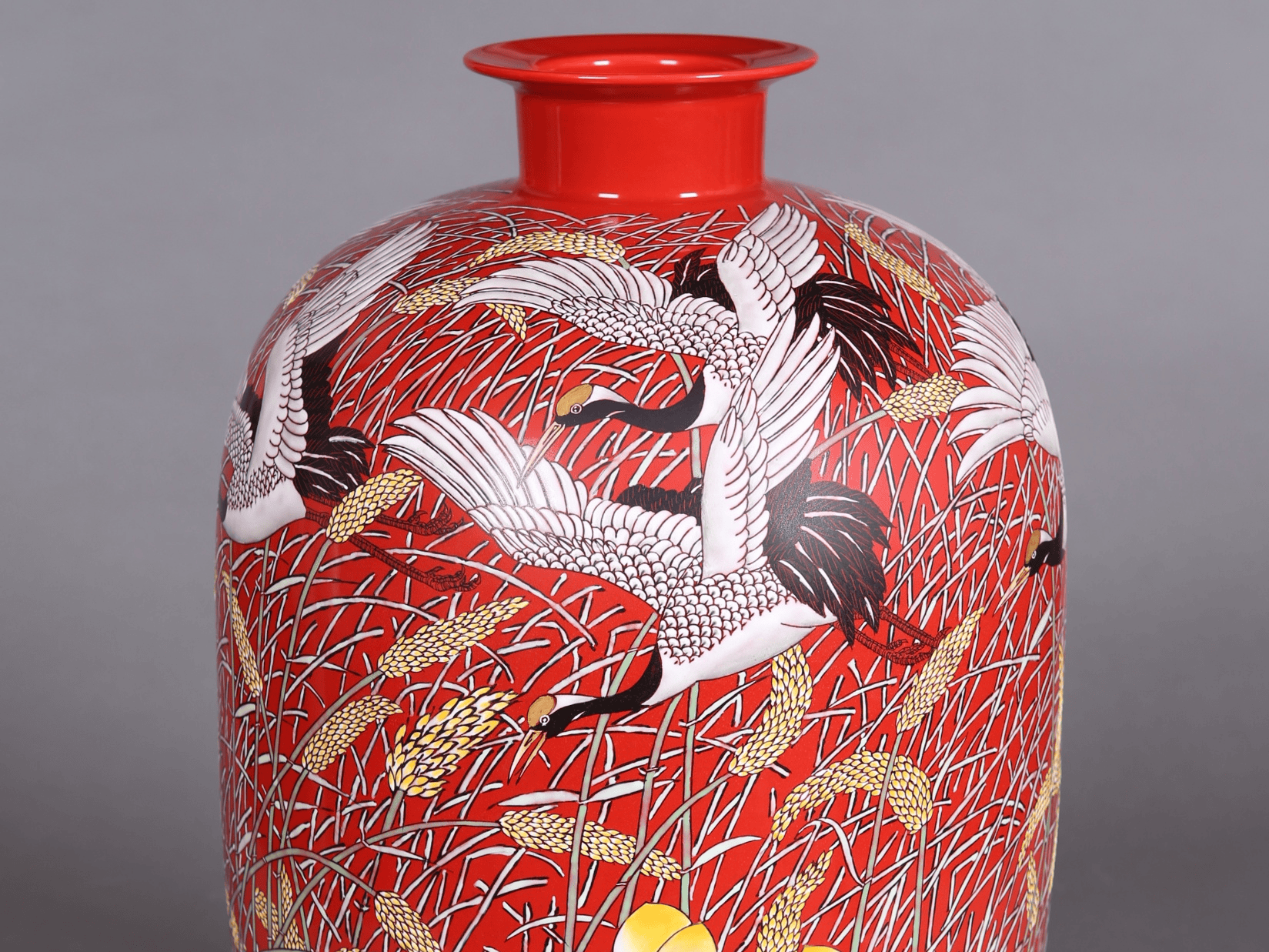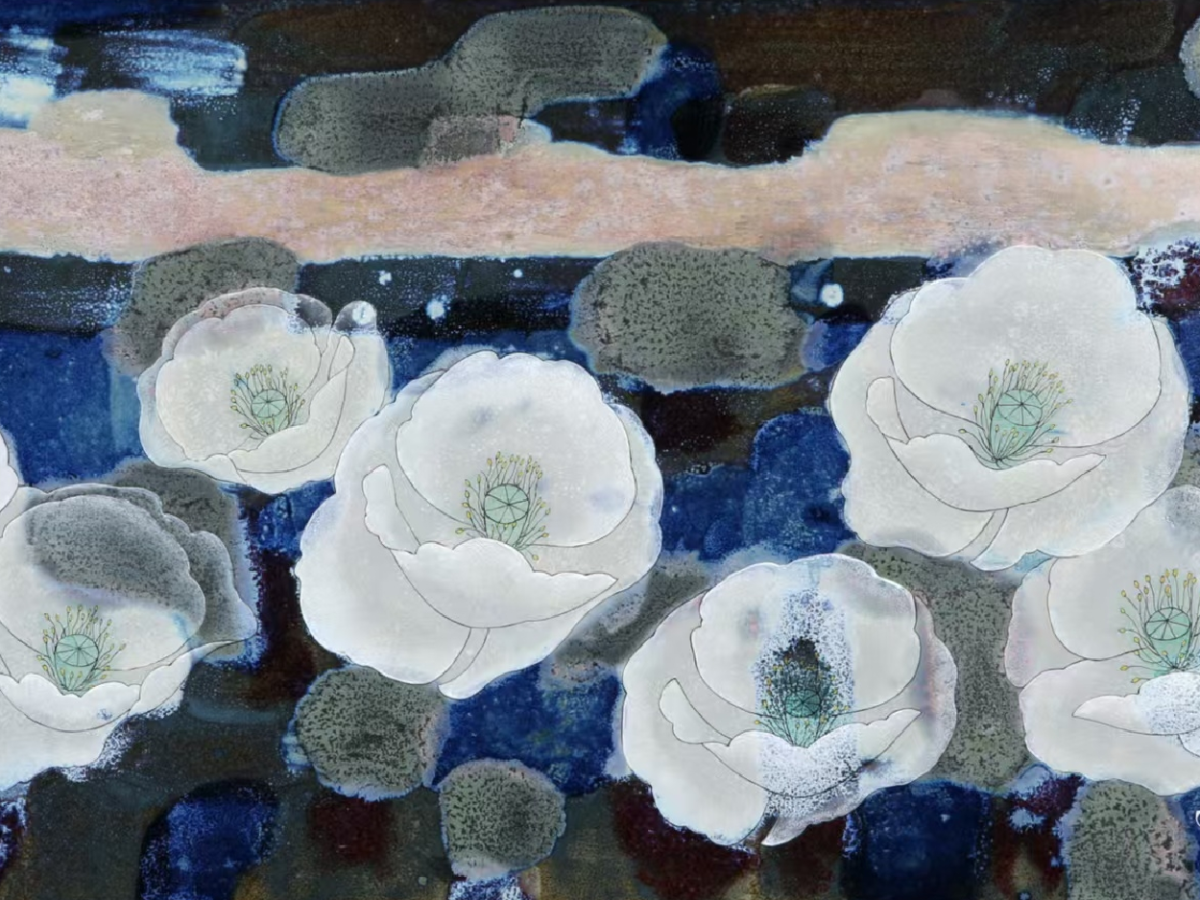
Pottery carving expresses a notable field type with a lengthy heritage, extending back multiple of periods. From ancient containers to up-to-date showcases, the material offers unequalled possibilities for creative presentation. Artists apply distinct techniques – including fabricating, wheel spinning, and complex firing processes – to alter humble loam into beautiful three-dimensional creations. The resilience of fired terracotta also contributes to its status as a truly noteworthy part of human culture.
Investigating Earthenware Marker Configurations and Strategies
The realm of ceramic panel design offers a broad array of inventive possibilities. Makers often engage a variety of established and modern techniques to produce visually impressive pieces. These can span from simple, molded reliefs to complex, multi-layered structures. Standard methods include template molding, hand building, glazing – which can involve several approaches like base glaze illustration, overglaze decoration, and sgraffito where designs are revealed by eroding a layer of sheen. Expanded research into overlay methods such as cold firing and shimmer glaze can bring about truly exceptional and tailored earthenware tiles.
- Slip Casting - Assembling pieces using a design
- Artisanal Molding - Accurately crafting the dirt
- Glazing - Applying the shell with a glossy finish
- Incised pattern - Uncovering designs by eroding shells
Absorbing Experiences: Clay Art Assemblies
The transforming landscape of craftsmanship presents exciting fresh avenues for witnesses, and ceramic art installations are at the front line of this shift. These aren't just static statues; they are engineered to envelop the visitor in a sensory space. Imagine navigating within a forest of towering, fired ceramic trees, or navigating a labyrinth of exquisite ceramic vessels. Many creators are now incorporating harmonies, lighting, and even fragrance to enhance the mood of their work. Picture the power of a room filled with hundreds of thoughtfully ceramic works, each telling a story. Usually, such installations investigate themes of wilderness, the past, and society.
- Those installations blur the thresholds between work and venue.
- Participating in a ceramic art installation can be a deeply personal journey.
- Craftsmen are pushing the frontiers of what is accomplishable with clay.
That Radiance of the Pottery Receptacle: Use and Configuration
The clay holder represents a remarkable mixture of effectiveness and visual appeal. Historically, these jars served a simple purpose in preserving liquids, but their growth has transformed them into highly valued works of craftsmanship. Each item showcases the proficiency of the creator, demonstrating how shape can be as vital as service. The deliberate shaping, the exceptional glazes, and the comprehensive presence of a beautifully-crafted urn can upgrade a space, offering both allure and a subtle reminder of the craftsman’s hand.
State-of-the-art Pottery Work : Stretching Margins
Contemporary clay work represents a fascinating movement from ancestral practices. Artists are increasingly exploring with fresh tactics, mixing the lines between ceramics and diverse expressive domains. From colossal installations to complex miniature pieces, noted works probe themes of identity while at the same time reshaping the definition of what ceramics can accomplish. The consequence is a lively domain of originative performance.
Stoneware Sign: Guarding Legacy in Porcelain
Stoneware plaques offer a uncommon method for registering significant events and persons. Contrasted with traditional metal or stone markers, these tough pieces of design are formed from baked clay, creating a physical link to the past. Often, they illustrate intricate models or precisely drawn imagery, communicating stories that might otherwise be disregarded. These technique, traceable to ancient cultures, provides a beautiful and unfading way to remember our collective Ceramic Cup Set tradition.
- Those can be situated in public spaces.
- A large number of are now acknowledged historical objects.
Pottery Art Installations: Shifting Venues
Clay art installations are emerging a impactful medium for craftsmen to reshape public and private environments. These immersive installations frequently involve massive clay sculptures that attract viewers, altering their perception of the engineered environment. By adopting diverse techniques like modeled construction and sophisticated firing methods, ceramic artists develop truly remarkable experiences, overlapping the edges between art and building. The effect is often a stirring change that elevates the decorative quality of the place and stimulates conversation.
Genesis Spinning Device to Delight: The Technique of the Stoneware Container
The journey of a porcelain pot from a simple lump of loam to a complete work of expression is a testament to human skill. Originally, the process begins with the potter’s rotating tool, where the skilled artisan crafts the rotary material into a cylindrical profile. This first period demands skilfulness and a trained eye, followed by a delicate solidifying period. Once bisque-fired, the urn is ready for finishing, which may include coating intricate figures, engraving detailed depictions, or implementing a assortment of varnishes. The closing firing process then changes the product into a durable and eye-catching pot, a tangible manifestation of the artist's passion.
Pottery with Pottery: A Course to Brick Art
Entering the field of terracotta production begins with understanding the essentials of carving with terracotta. A approach involves methodically assembling and carving elements to produce three-dimensional structures. If you're a beginner or a experienced craftsperson, trying with diverse classes of terracotta – specifically pottery – will advance you identify your special expression. After all, brick forming is a valuable journey that connects dexterous mastery with inspired exhibition.