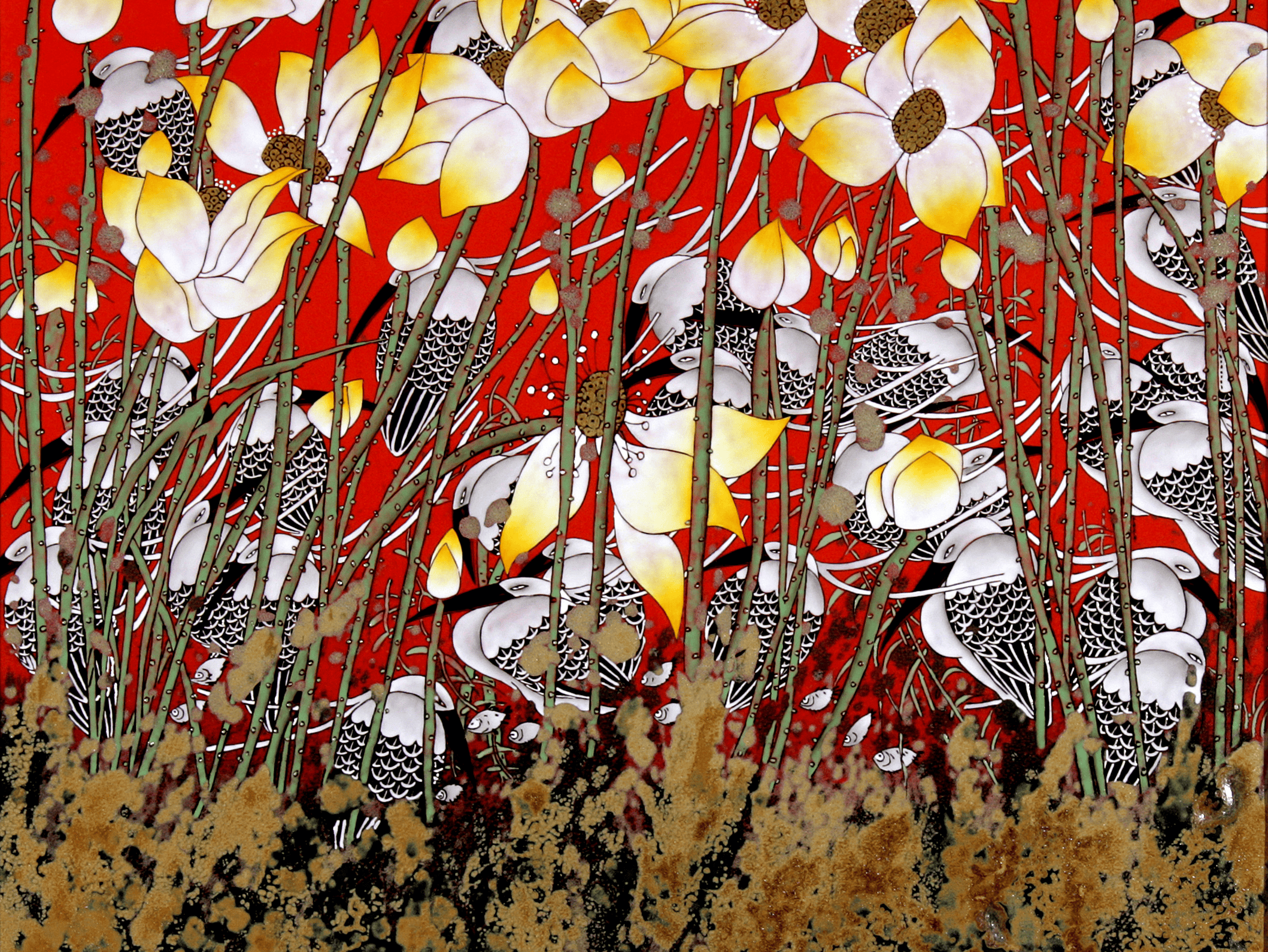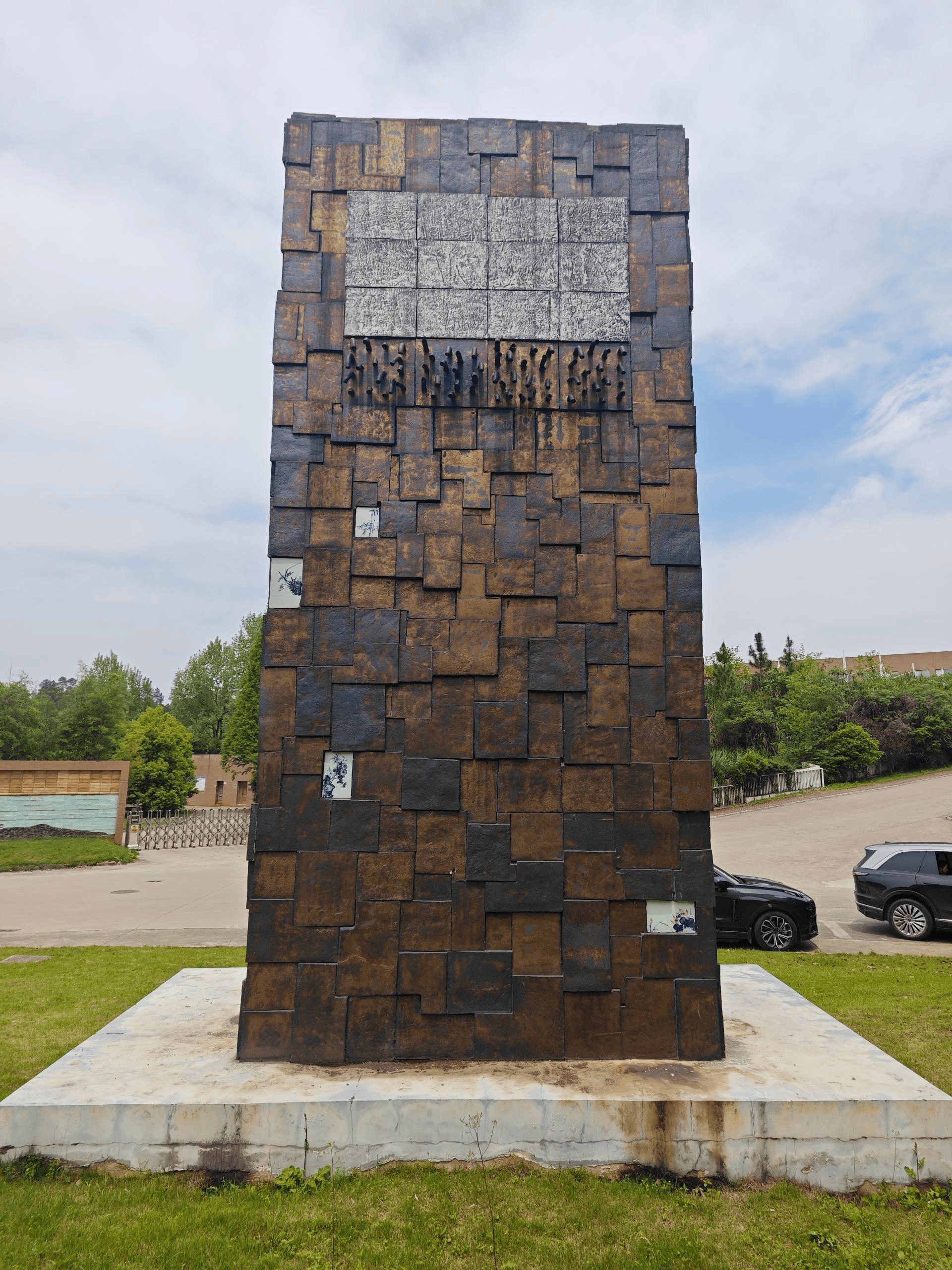
Brick form represents a extraordinary expression type with a vast heritage, extending back myriad of periods. From ancient vessels to recent setups, the stuff offers unparalleled possibilities for creative articulation. Sculptors practice multiple techniques – including constructing, wheel throwing, and intricate firing processes – to alter humble terracotta into pleasing three-dimensional works. The longevity of fired clay also contributes to its status as a truly enduring part of human civilization.
Studying Clay Board Designs and Methods
The field of ceramic panel design offers a broad array of imaginative possibilities. Artisans often apply a amalgamation of authentic and current techniques to generate visually spectacular pieces. These can vary from simple, crafted reliefs to complex, multi-layered formulations. Typical methods include shape forming, manual molding, finishing glaze – which can involve an array of forms like painting before firing, surface glaze ornamentation, and etched pattern where designs are disclosed by taking away a layer of coating. Further scrutiny into surface treatments such as thermal treatment and shimmer glaze can bring about truly exceptional and individualized pottery boards.
- Shape Forming - Making pieces using a template
- Sculpting by hand - Directly shaping the mud
- Enameling - Covering the surface with a smooth finish
- Engraved motif - Exposing designs by eroding shells
Absorbing Experiences: Ceramic Art Expositions
The growing landscape of art presents exciting modern avenues for observers, and ceramic art installations are at the leading edge of this progression. These aren't just static objects; they are designed to envelop the participant in a sensory atmosphere. Imagine venturing into a forest of towering, polished ceramic trees, or navigating a labyrinth of detailed ceramic vessels. Many makers are now incorporating noises, lighting, and even smell to enhance the impression of their work. Consider the power of a room filled with hundreds of meticulously ceramic items, each telling a legend. Frequently, such installations analyze themes of environment, history, and humankind.
- The mentioned installations blur the boundaries between craft and architecture.
- Participating in a ceramic art installation can be a deeply personal journey.
- Makers are transporting the constraints of what is realizable with clay.
A Splendor of the Ceramic Urn: Significance and Shape
The stoneware vessel represents a lovely amalgamation of practicality and creative appeal. Historically, these pots served a simple purpose in preserving flowers, but their transformation has transformed them into highly valued works of mastery. Each element showcases the talent of the maker, demonstrating how contour can be as significant as role. The thoughtful shaping, the rare glazes, and the general presence of a skillfully-formed holder can raise a space, offering both beauty and a understated reminder of the artisan’s hand.
State-of-the-art Pottery Form : Stretching Thresholds
State-of-the-art ceramic art represents a fascinating departure from established practices. Artisans are intensely probing with new methods, challenging the divisions between creation and alternative aesthetic categories. From immense installations to ornate miniature pieces, noted works explore themes of identity while at the same time rethinking the definition of what ceramics can achieve. The outcome is a exciting world of artistic design.
Clay Tablet: Preserving History in Clay
Brick plaques offer a singular method for commemorating significant events and beings. In contrast to traditional metal or stone markers, these sturdy pieces of creation are formed from cooked clay, creating a concrete link to the bygone era. Often, they illustrate intricate models or delicately designed imagery, expressing stories that might otherwise be ignored. This technique, Ceramics dating back ancient populations, provides a elegant and immortal way to celebrate our collective story.
- These particular can be set in common spaces.
- Numerous are now accepted historical remnants.
Earthenware Art Displays: Transforming Settings
Earthenware art installations are growing a impactful medium for craftsmen to reshape public and private environments. These immersive artworks frequently involve monumental clay designs that hold viewers, modifying their awareness of the fabricated environment. By utilizing diverse systems like manual assembly and complex firing procedures, ceramic artists produce truly extraordinary experiences, softening the thresholds between craft and architecture. The product is often a moving conversion that enhances the sensory quality of the place and initiates reflection.
Genesis Spinning Device to Delight: The Art of the Terracotta Pot
The journey of a terracotta vase from a simple lump of mud to a developed work of creation is a testament to human resourcefulness. Originally, the process starts with the potter’s rotating tool, where the skilled artisan crafts the rotary mud into a cylindrical contour. This foundational process demands clearness and a keen eye, followed by a delicate curing period. Once soft-fired, the vessel is ready for ornamentation, which may comprise painting intricate arrangements, inscribing detailed scenes, or incorporating a collection of textures. The ultimate curing process then renders the component into a durable and stunning urn, a tangible representation of the designer's talent.
Modeling with Stoneware: A Primer to Brick Craft
Investigating the field of terracotta production begins with understanding the essentials of carving with stoneware. The aforementioned approach comprises thoughtfully layering and taking away matter to fashion three-dimensional creations. Regardless of you're a apprentice or a accomplished practitioner, working with different types of clay – like stoneware – will assist you uncover your distinctive voice. In the end, clay working is a satisfying exploration that unites practical expertise with creative expression.